
The first time I heard it from a C-Suite member of a Fortune 100 company I worked for, it sounded …. umm egotistical. I was a just a rookie, feeling fortunate to be in a meeting with senior leadership. That kind of audacity and directness was new to me, but others in the room seemed like they might be used to it. Everyone remained quiet for what felt like an eternity.
Our leader let the silence reverberate through the room, then spoke calmly and steadfastly.
“Team, we have been discussing this issue for a few weeks now. It is critical that the organization address it sooner rather than later, if we want to keep our customers’ trust & business.
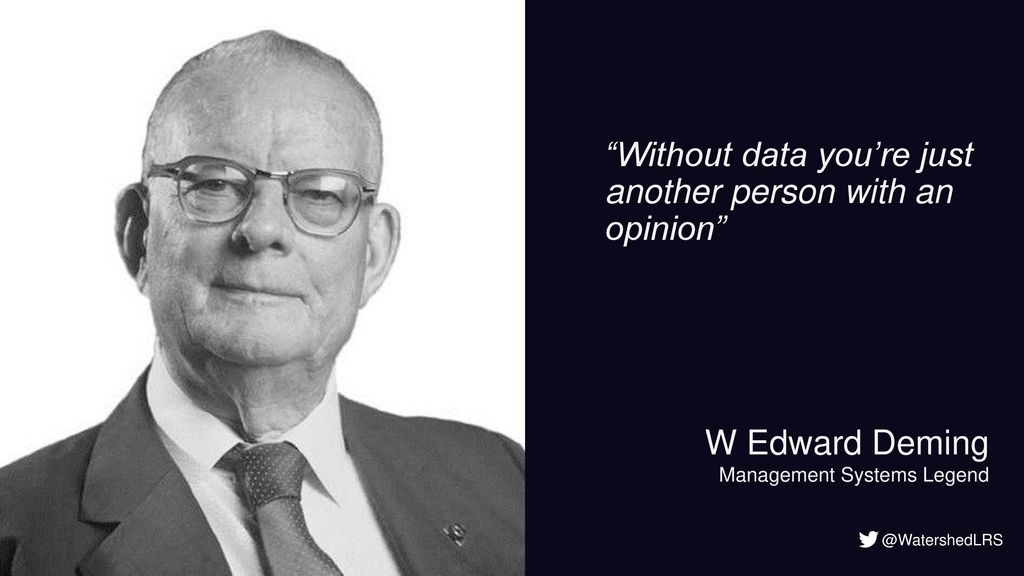
What I was expecting today is a clear action plan based on data and factual insights. Not conjectures and certainly not personal opinions. Can we be ready by next week and can I get a pre-read at least a day before?”
With that, the group moved on to the next agenda item and I went back to my routine work. However, the phrase stayed with me – “If all we have is opinions, I prefer mine”. I wondered why the leader chose these particular words. More importantly though, I kept thinking about how he managed organizational ineffectiveness and how he spurred the right actions. Let’s break it down.
- Impact: First and foremost, he clearly articulated the urgency of the situation as well as potential negative impact to the business. Notice he stayed away from pointing out a person or group’s ineffectiveness in public. Instead, he made a clear statement about the cost of collective failure. I am sure specific people were given feedback in private.
- Outcome: He was unequivocal about two things. One, that he expected a clear action plan. Two, that the plan be based on data, facts and analysis, not personal opinions. I think it was also a broader message to his leaders to create a data and insight driven culture in the organization.
- Accountability: Ultimately, by setting a deadline for the expected outcome and by asking for a pre-read, he created accountability. It was a message for all his leaders to mobilize the right resources across functional boundaries to get the job done. He wasn’t prescriptive about who should do it but signaled shared responsibility.
This was my career’s first critical lesson in resilient leadership. While my choice of words is adapted to my natural style and to the nature of the situation, the framework has been my friend in managing people or teams producing less-than-expected results.
 duepasti.com