
With today’s busy lifestyles, balancing nutrition every single day is next to impossible! What if we did that in a slightly larger unit of time, say like a week? Will that become less stressful and more enjoyable?
Weekly Nutrition Balancing
I like the visual representation of ‘healthy eating’ from Harvard. It clearly lays out the types of foods to be consumed (or limited) and their relative proportions on a plate. While our extensive research and personal experience indicates some caveats to this (noted at the end), by and large this works.

Now here is the practical problem! It’s really hard to achieve this like clock work every single day! Even with the best of intentions and efforts, sh** happens.
We are tempted to stuff down that extra slice (or two) of pizza, one drink too much because it is a dear friend’s milestone birthday, those 3 pm candies or chocolates because of stress at work, or simply because we don’t have time to make or buy a balanced meal. The list is endless…..
And how do we react to this? We feel guilty, get stressed and either try to overcompensate, or justify and shrug it off. None of these things are particularly beneficial. That’s where the concept of weekly nutrition balancing helps.
No, I am not preaching that you go crazy for 2-3 days and survive on salads and water during the rest of the week. What I am saying is that give yourself permission with absolutely no guilt for a couple of indulgences, if they happen. What truly matters at the end of the week is that you feel –
- Vibrant, not sluggish or depleted
- Confident that the net of that ‘healthy eating plate’ is achieved
Here is an example. Let’s say you have to attend a business dinner one week night. Food and drinks are flowing freely, and you don’t want to be left out. First, acknowledge the situation and accept that your ‘healthy plate’ is not going to happen for the day. Then, make an intentional decision to enjoy the evening responsibly, and do just that! Next day, do a quick ballpark assessment of what needs to be adjusted on your ‘healthy eating plate’ for that week – no more desserts or alcohol, more veggies, less oil. Plan the meals accordingly and keep moving forward.

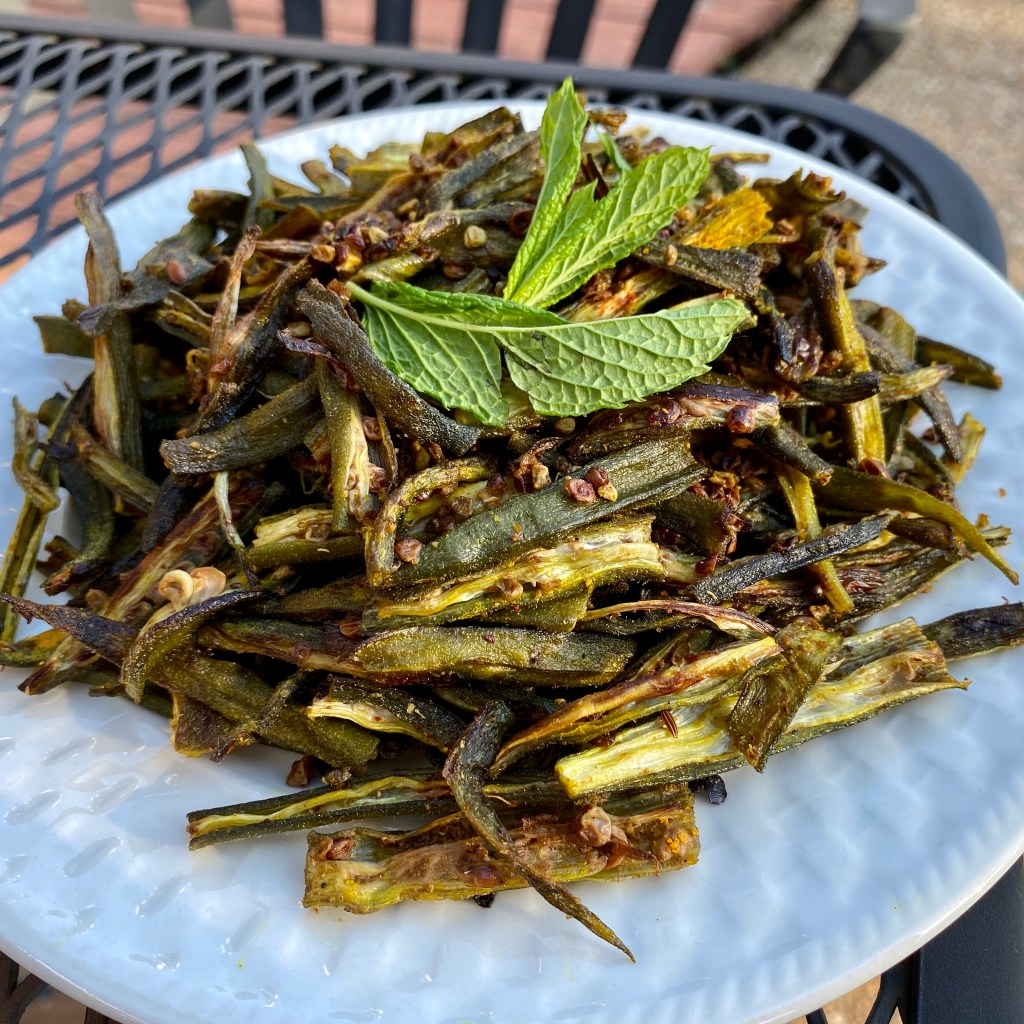
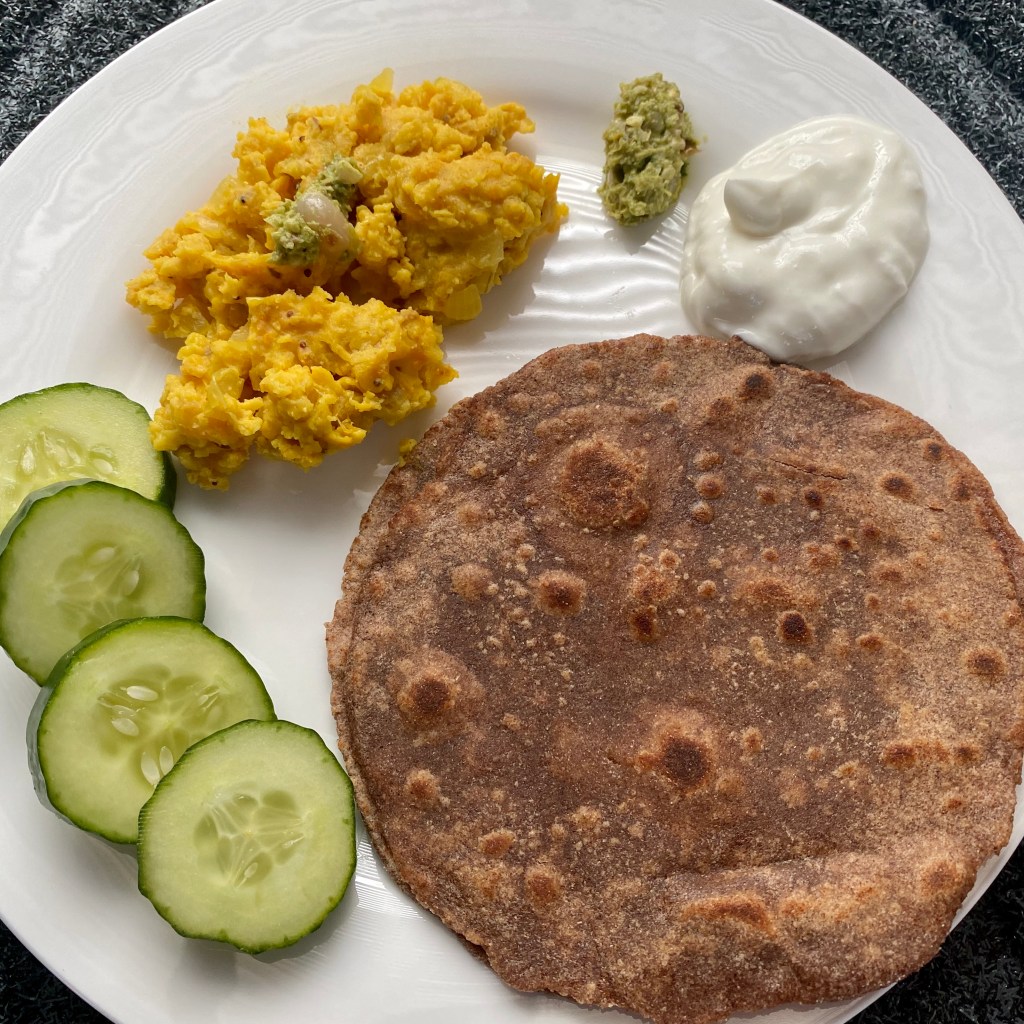
Another less extreme but more frequent example. I love rice! Some days all I want is to eat steaming hot rice with dal and nothing else. So I do just that with a small dollop of ghee and some mixed veg pickle, enjoying every single bite of it. Notice that ghee brings some balance to the carbs I am consuming, and fresh pickle adds some spices and veggies. But I am still falling short on veggies and protein portions. So over the next couple of days, I plan protein and veggie rich meals with quinoa, finger-millet and wheat as my grains, in moderation. Those meals when prepared and eaten with love, balance out my ‘healthy eating plate’ by the end of the week. And so I keep moving forward!
Caveats to the ‘healthy eating plate’ based on additional research and personal experience.
- Limit butter but incorporate ghee (pure and completely clarified butter) in your diet. Ghee is a ‘good’ fat and Ayurvedic practitioners recommend up to 1 tsp a day.
- While potatoes don’t count in the veggies portions, do incorporate them occasionally in your diet with the skin on. Preferably not fried, but baked, sauteed, curried, mashed are all good forms.
- We do NOT recommend fruit juices, even if they are freshly squeezed or prepared. Two reasons – they eliminate fiber and are full of sugar when compared to fresh fruit. Did you know that 1 cup of orange juice can contain the sugar equivalent of 8 oranges?
- While we do use wheat in our diet, it is recommended to reduce the proportion compared to other grains. Per our experience, the gluten in wheat causes sluggishness. Some studies have shown that wheat has negative impact on women’s thyroid levels.
 duepasti.com
One thought on “Fueling Our Life Forces (Part 2)”